

Sapa history uncovered: From colonial hill station to booming tourist town
Nestled high in the misty mountains of northern Vietnam, Sapa is known for its cool climate, terraced fields, and vibrant hill-tribe life. But beyond its natural beauty lies a deeper story – one shaped by centuries of cultural heritage and the powerful imprint of colonial times. The layers of Sapa history make it far more than just a scenic getaway.

Once a remote ethnic village, Sapa was transformed into a French colonial hill station and has since grown into one of Vietnam’s top tourist towns. This article explores the evolution of Sapa history – from its colonial beginnings to its role in modern Vietnam tourism – offering essential insight for anyone curious about Sapa’s past and future.
How Sapa history began with indigenous communities
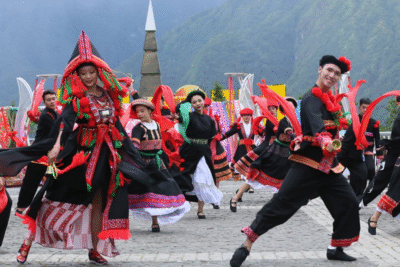
Long before the French arrived, Sapa history began with its indigenous inhabitants. The region has long been home to various ethnic groups, most notably the Hmong, Dao, Tay, and Giay peoples. These communities carved out a unique life in the challenging terrain, practicing terrace farming, building stilt houses, and developing distinct cultural practices that still shape Sapa culture today.
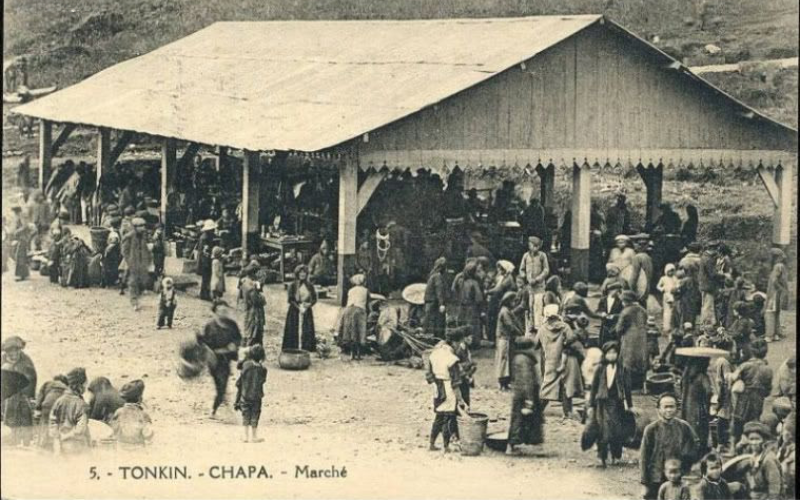
Their deep connection to the land predates written history, but it’s evident in the rhythms of local life, in the structure of traditional homes, and in the vibrant festivals that punctuate the calendar. The spiritual beliefs, customs, and handicrafts of these groups remain a living heritage and a cornerstone of Sapa Vietnam history.
If you’re exploring things to know about Sapa’s past, understanding the contribution of these early settlers is essential. They laid the foundation upon which later developments – both colonial and modern – would be built.
When the French found Sapa and changed its future
The modern chapter of Sapa history began in earnest in 1903, when the French Geographical Department of Indochina discovered the Lo Suoi Tung plateau and the existing Sa Pả village. The French called the area “Sapa,” a name derived from the local term “Sa Pả,” meaning “sand beach.” Their mispronunciation stuck, and the name Sapa became official.
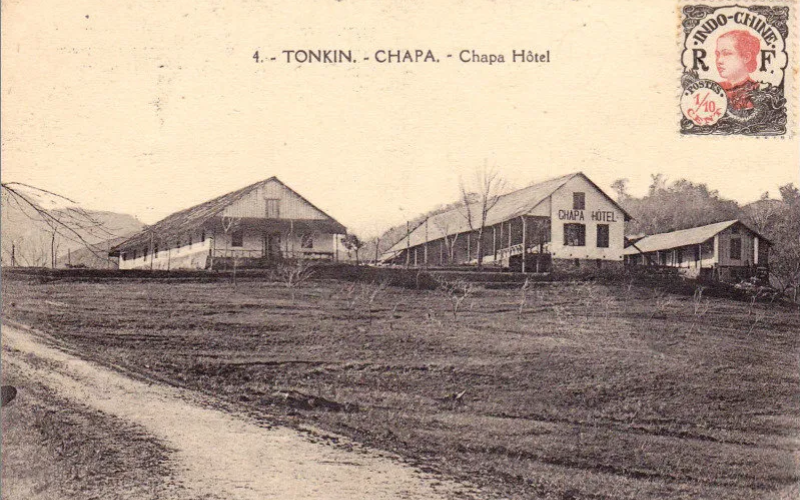
Impressed by the region’s cool climate and scenic landscapes, the French quickly recognized its potential as a hill station – an escape from the sweltering heat of Hanoi. In 1909, the Chief Ambassador of Lao Kay proposed the establishment of a sanatorium in Sapa, marking a crucial milestone in the transformation of Sapa over time.
This colonial initiative became the catalyst for one of the most important shifts in Sapa history. From 1909 to 1930, French authorities developed Sapa into a European-style resort town.
The growth of infrastructure under French colonial rule
Between 1910 and 1940, Sapa underwent rapid development under French control:
- 1909–1912: Roads were carved into the mountains, linking Lao Cai to Sapa. By 1930, these were paved, allowing vehicle access.
- 1912: The French built the grand Cao Su Hotel and laid the groundwork for plantations, administrative offices, and a European-style town center.
- 1915: A meteorological station was established, integrating Sapa into the international climate data network.
- 1925: The beautiful stone church – now an iconic landmark of Sapa culture – was completed. That same year, the Cat Cat Hydroelectric Plant was built.
- 1927–1938: Tourist numbers increased dramatically, from 51 visitors in 1927 to 3,000 by 1938.
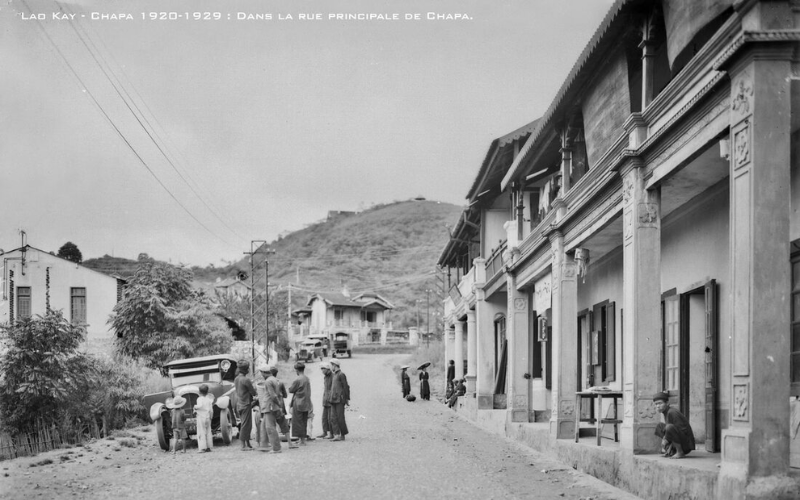
This period embedded deep architectural and cultural footprints, making the influence of the colonial period in Sapa visible even today. French-style villas, tree-lined boulevards, and the stone church reflect the aesthetics of Vietnam during the French Colonial Period.
When war reached the highlands of Sapa
However, this prosperity was short-lived. From 1945 to 1951, Sapa was embroiled in the war for independence. French colonial forces were targeted by resistance fighters, and when they finally withdrew in 1951, they bombed much of what they had built, leaving behind scorched ruins.
This marked a dark chapter in Sapa history, during which the town fell into obscurity. Tourism came to a halt, and Sapa became a quiet, forgotten village once more. Yet the resilience of local communities helped maintain the cultural thread, setting the stage for the development of Sapa as a tourist town in the decades to come.
Post colonial decline and the resilient spirit of Sapa
After the French left, Sapa history entered a quieter phase marked by decline. Political turmoil and war caused neglect of colonial infrastructure and a collapse of tourism.
Despite hardships, local ethnic communities preserved their traditions and agricultural practices. This period was vital for maintaining authentic Sapa culture, keeping the spirit of the region alive in the face of adversity. This resilience is an important, though quieter, part of Sapa history that explains much about the region’s modern identity.
The reawakening of tourism and Sapa’s Economic revival
With Vietnam’s Renovation reforms in 1991, the door to international tourism reopened. The 10th and 11th Party Congresses identified tourism as a key economic pillar. As a result, Lao Cai province invested heavily in infrastructure development, reconnecting Sapa to the national electricity grid and rebuilding roads.
Sapa tourism started slowly, but by the early 2000s, it began to snowball:
- 2002: Over 80 hotels operated in the area, drawing 75,000 tourists.
- 2002: Lao Cai partnered with Bordeaux 3 University to develop a sustainable tourism plan.
- 2013: Sapa welcomed 720,000 tourists with revenue reaching over 570 billion VND.
- 2014: Completion of the Noi Bai–Lao Cai Expressway drastically reduced travel time.
- 2016: Launch of the Sun World Fansipan Legend cable car turned Sapa into a must-see attraction.
- 2019: Sapa welcomed 3.2 million tourists, cementing its status in Vietnam tourism
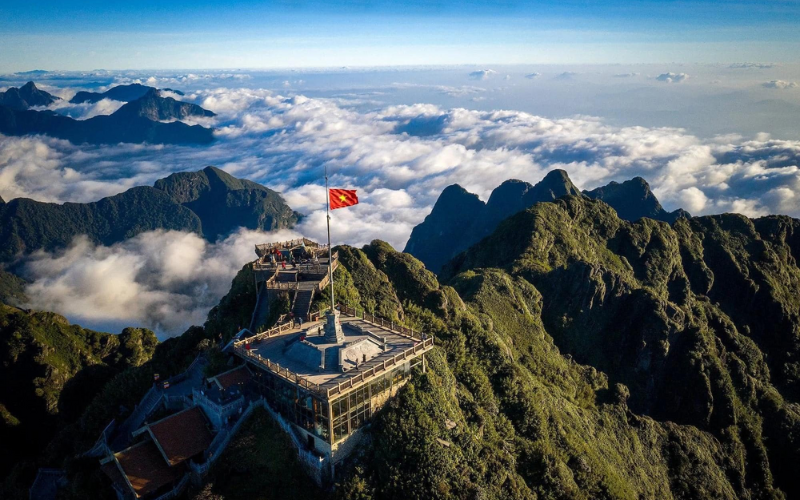
The majestic Fansipan peak, at the heart of Sapa’s transformation into a major tourist destination (Source: Internet)
This incredible rise illustrates the transformation of Sapa over time, from a sleepy mountain village to a bustling center of international and domestic tourism.
Modern challenges and opportunities
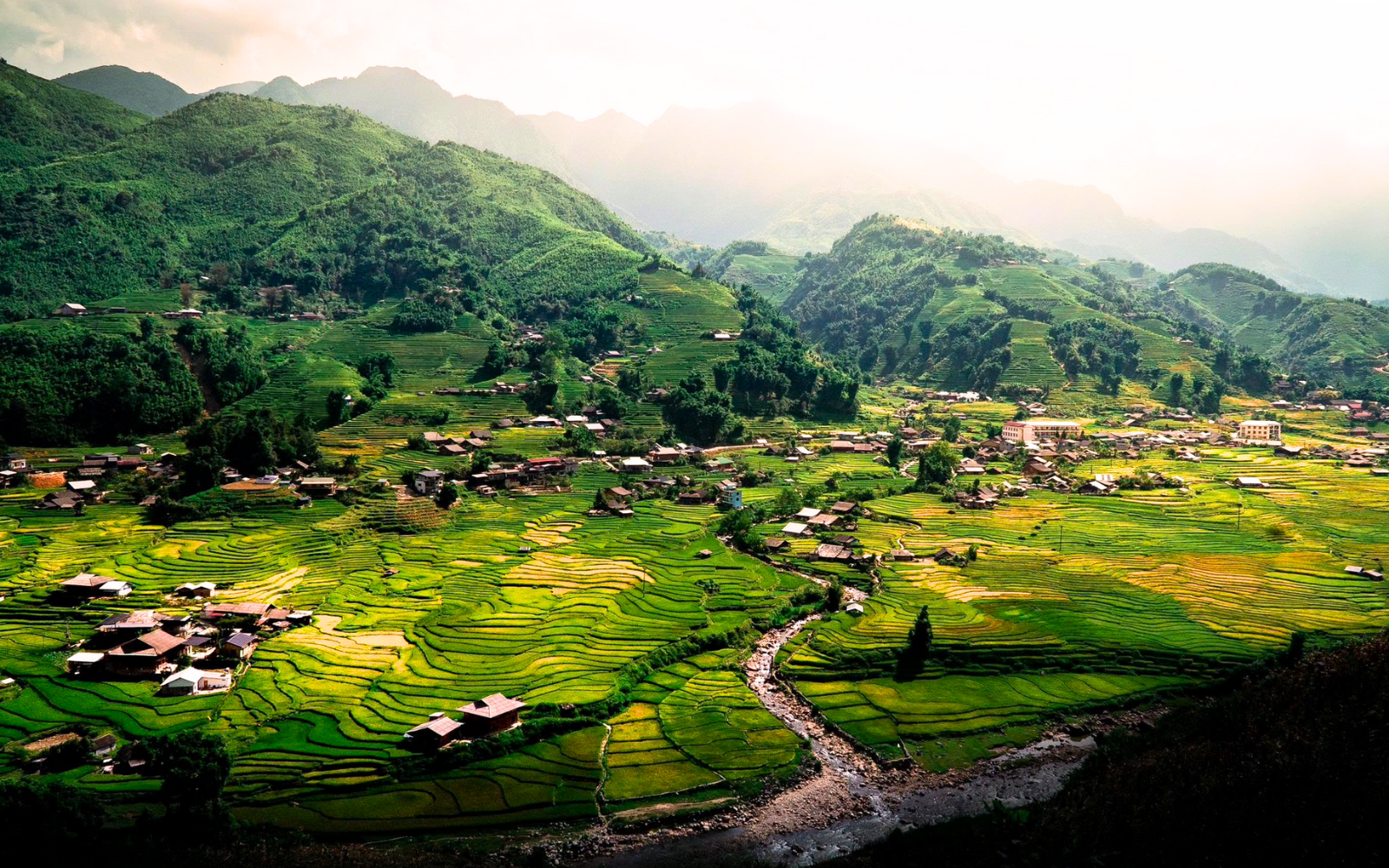
With rapid development come growing pains. Sapa today is a microcosm of broader challenges in Vietnam tourism:
- Environmental strain from overdevelopment and traffic congestion
- Cultural commodification, as authentic customs are sometimes staged for tourists
- Overcrowding during peak seasons, testing the town’s infrastructure
Still, Sapa remains a symbol of potential. Its rich blend of nature, culture, and history makes it a cornerstone in the story of Hill Towns in Vietnam.
Sapa’s cultural heartbeat lives through ethnic traditions
Despite modernization, the cultural heartbeat of Sapa continues through its ethnic communities. Weekly markets remain vibrant centers for trade, social interaction, and cultural expression.
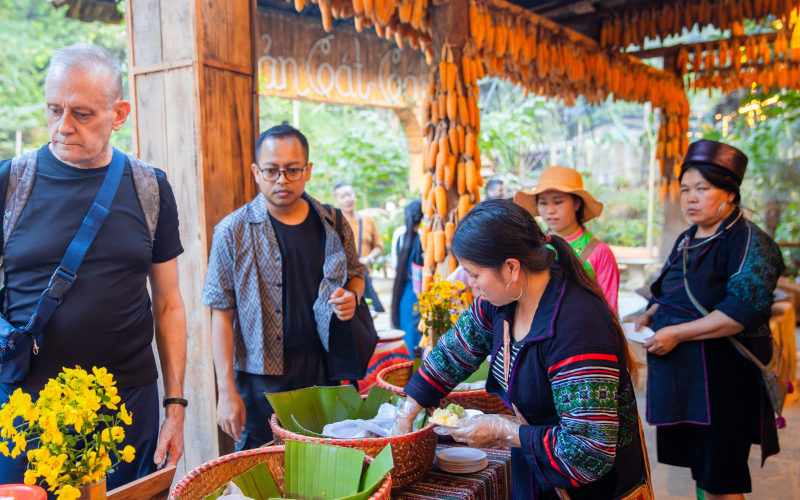
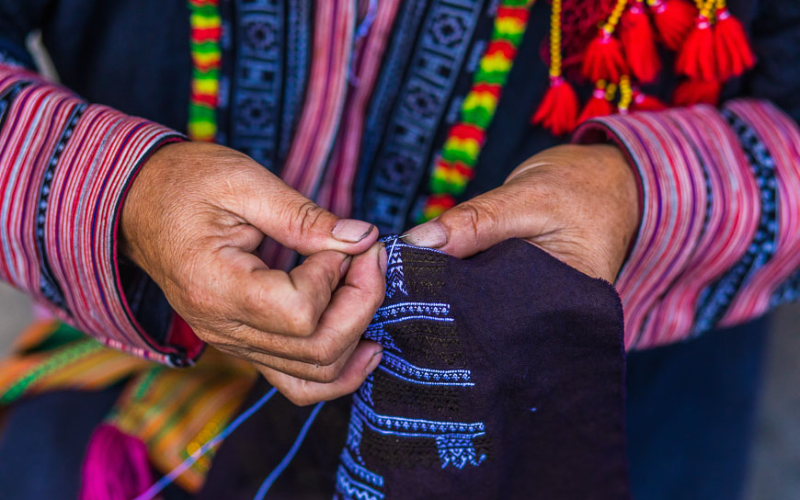
Traditional clothing, textile weaving, shamanic rituals, and rice farming are living parts of Sapa history – not relics but active, evolving traditions that shape visitor experiences and local identity. This cultural vitality is one of the most cherished elements of Sapa tourism today.
Building a sustainable future for Sapa tourism
Recognizing the impact of mass tourism, leaders and NGOs promote sustainable Sapa tourism through:
- Community-led trekking tours empowering ethnic minorities
- Eco-friendly homestays with waste reduction and renewable energy
- Cultural preservation programs educating visitors about Sapa history
These efforts aim to protect Sapa’s natural environment and rich heritage for future generations, ensuring that Sapa history remains vibrant and relevant.
Timeless tales in the Northern highlands
The story of Sapa history is one of transformation, resilience, and renewal. From indigenous mountain villages to a French colonial hill station, and now a thriving tourist town, Sapa’s past shapes its present.
Each stone church, villa, terraced field, and ethnic market reveals a piece of this living history. Visitors to Sapa don’t just witness beauty – they become part of the ongoing story where past and present blend amid the misty mountains.
As Sapa tourism grows, preserving the delicate balance between development and heritage will ensure Sapa remains a treasured destination and a vibrant chapter in the history of Sapa Vietnam for years to come.
Related Articles
The evolution of Sapa hospitality through cultural roots
French architecture in Sapa – Colonial heritage amidst the Vietnam’s Northern highlands