

French architecture in Sapa – Colonial heritage amidst the Vietnam’s Northern highlands
French architecture in Sapa – Colonial heritage amidst the Vietnam’s Northern highlands
Tucked away in the misty mountains of Northern Vietnam, Sapa is not only a destination for breathtaking landscapes and vibrant ethnic cultures – it also holds a surprising treasure of French architecture. The old-world charm of French colonial buildings in Sapa whispers tales of a bygone era when imperial elegance met the rugged serenity of the highlands. Today, this blend of heritage architecture in Northern Vietnam is a living museum of stone churches, grand villas, and colonial-era facades nestled among rice terraces and cloud-covered hills.
This article takes you through the timeless legacy of French architecture in Sapa, tracing its history, significance, and enduring influence in shaping the town’s character.
A brief history of French architecture in Vietnam
The story of French architecture in Vietnam began in the late 19th century, during the French colonial period (1887–1954). As the French administration expanded throughout Indochina, they brought with them a vision of urban sophistication, blending European styles with local elements. The architecture featured high ceilings, ornate balconies, and shuttered windows – adapted to the tropical climate.
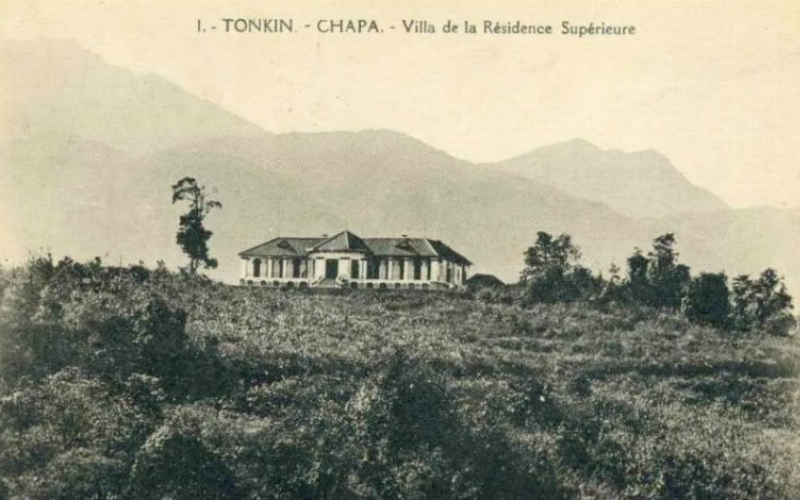
Sapa was chosen by the French as a hill station to escape the heat of Hanoi. Here, French architecture was not just an expression of control – it was also a gesture of aesthetics, comfort, and aspiration. Over time, colonial architecture became a central feature of Vietnam’s built environment, especially in Hanoi, Da Lat, and Sapa.
In Sapa, the French left behind a physical imprint that continues to define the town’s ambiance – a fusion of East and West carved into stone and timber.
How French Colonial influence shaped Sapa’s Landscape
The serene hills of Sapa provided a natural canvas for French planners to create a picturesque retreat. At an elevation of over 1,500 meters, Sapa offered a cool climate, perfect for mimicking the alpine atmosphere familiar to French settlers. This landscape became the backdrop for French colonial buildings in Sapa, including villas, schools, administrative offices, and churches.
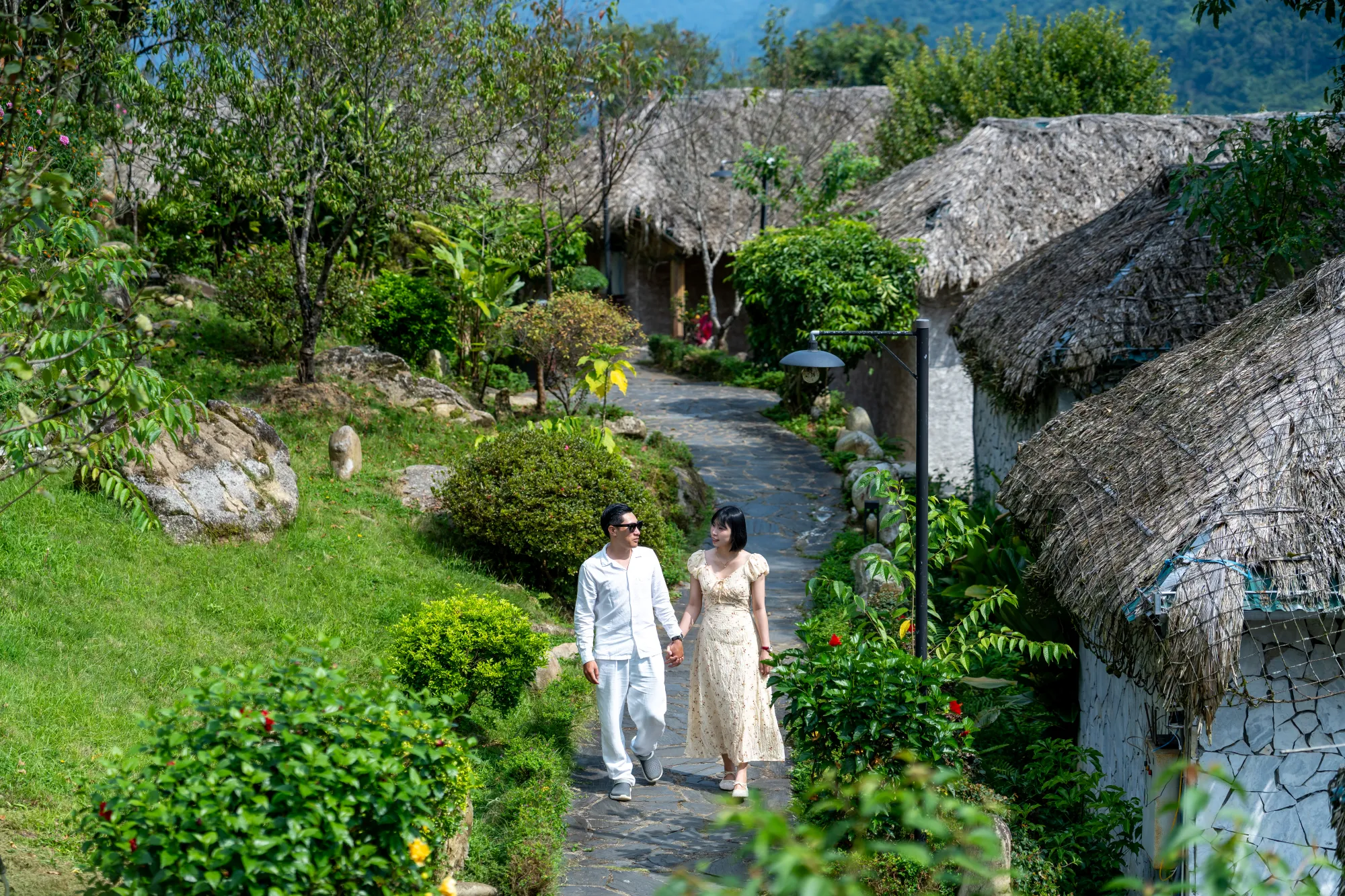
What makes French architecture in Sapa unique is how it respects and interacts with the surrounding environment. Buildings were constructed to face the mountains or valleys, often using stone from the region. Unlike the crowded colonial quarters of big cities, Sapa’s heritage architecture in Northern Vietnam was spaced generously – breathing with the land.
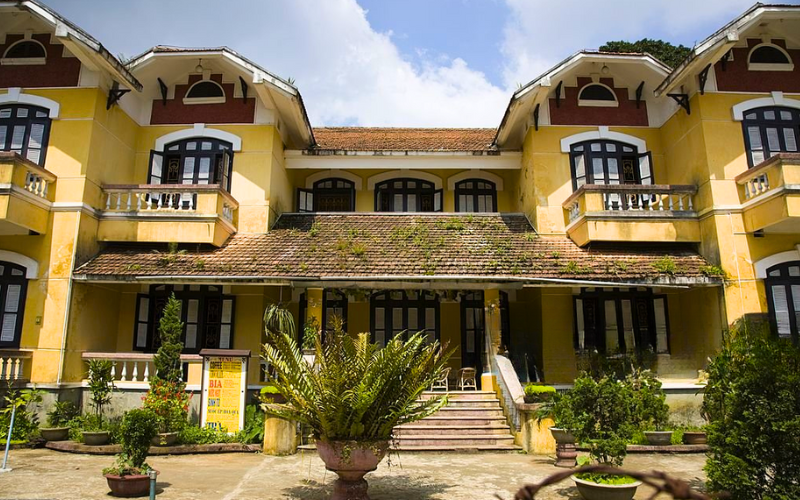
The influence of French design in Vietnam is especially evident in Sapa’s layout: wide boulevards lined with flowering trees, quaint plazas, and buildings with distinctive mansard roofs. Even today, travelers can walk down the town’s central streets and feel as if time has gently slowed down.
Iconic French colonial structures in Sapa
Despite the passage of time, war, and weather, several colonial-era houses in Sapa and public buildings continue to stand as enduring symbols of its French past. These structures form the architectural backbone of the town’s historic identity and embody the best of French architecture in Sapa.
1. Sapa Stone Church
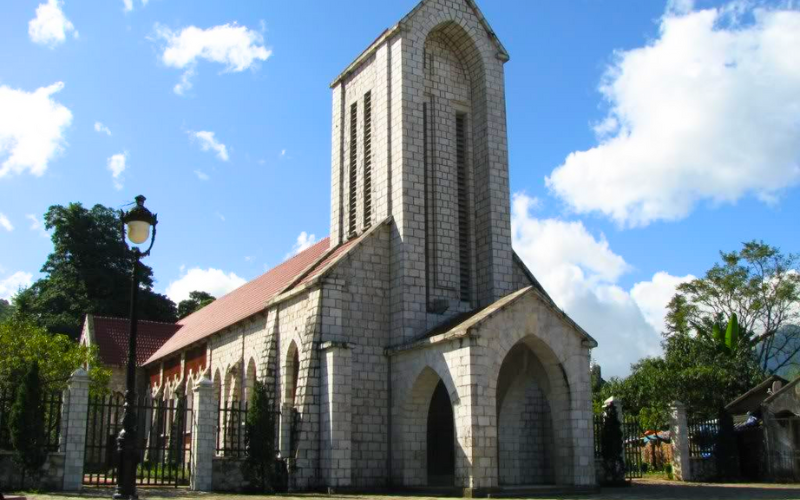
The iconic Sapa Stone Church, built in Romanesque style with hand-chiseled stone blocks, stands as a timeless symbol of Sapa history and the enduring French colonial legacy. Its simple yet majestic design, complete with a soaring bell tower, rises above the town center – acting as a beacon of colonial-era presence. For many travelers, this church is the first stop on a journey to understand French architecture in Sapa, offering a direct connection to the town’s earliest colonial imprints.
2. French Villas
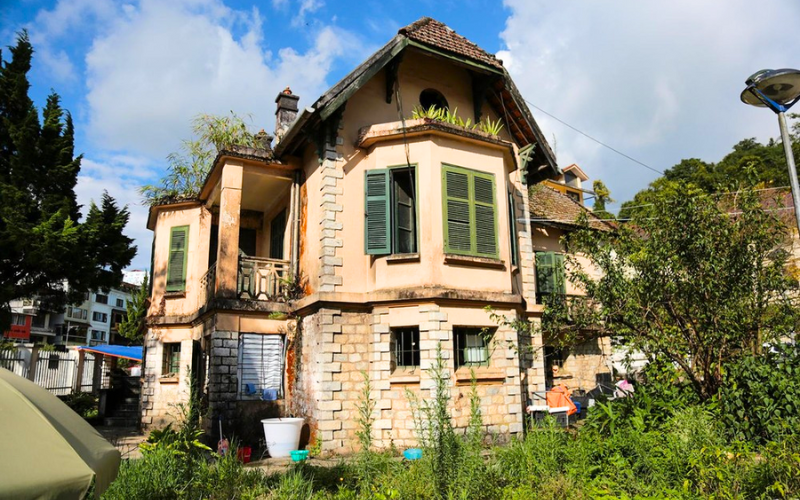
During the 1920s to 1940s, French officials and elites constructed elegant villas, defined by tiled roofs, shuttered windows, and arched balconies. These homes showcase French buildings designed to harmonize with the misty highland climate and rugged terrain. Many of these villas, though partially restored, still stand today – quietly narrating the story of Sapa’s transformation from a remote village to a colonial retreat. Each villa offers a glimpse into a significant chapter of heritage architecture in Northern Vietnam, where European aesthetics merged with indigenous surroundings.
3. Hoang A Tuong Palace
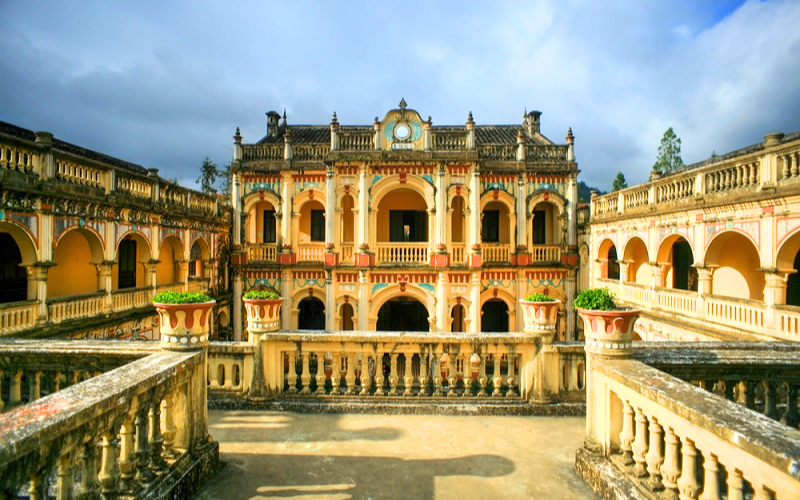
Though located slightly outside central Sapa, the Hoang A Tuong Palace is an architectural gem that reflects the influence of French design in Vietnam, fused with Chinese and Vietnamese motifs. Built by a local Hmong lord under French supervision, the structure is an embodiment of cultural fusion – an iconic intersection between local authority and colonial power. Exploring this palace deepens the understanding of how colonial architecture adapted and interacted with regional traditions.
4. Cong Doan Sapa Hotel
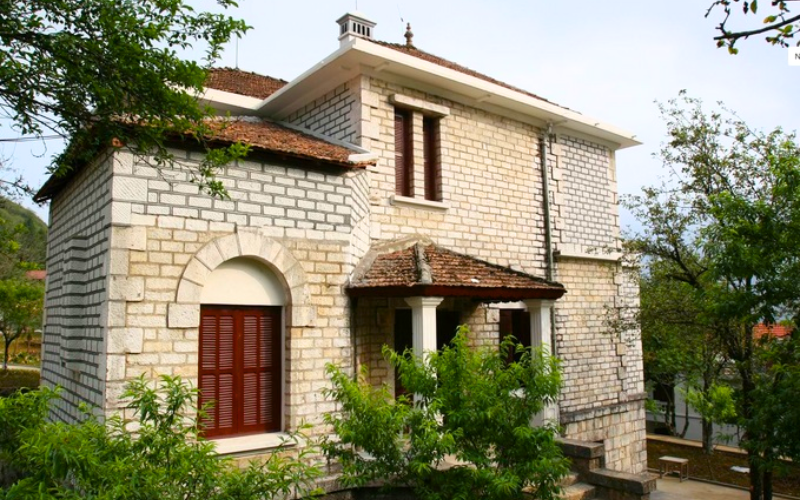
Originally built as an exclusive resort for French dignitaries, the Cong Doan Sapa Hotel remains a preserved landmark of historic architecture of Sapa town. With its spacious verandas, French-style interior layout, and serene mountain views, the hotel echoes the luxury and leisure associated with colonial tourism. Its continued operation offers modern visitors a taste of the colonial lifestyle that once defined the highland escape.
5. Cat Cat Hydroelectric Power Plant
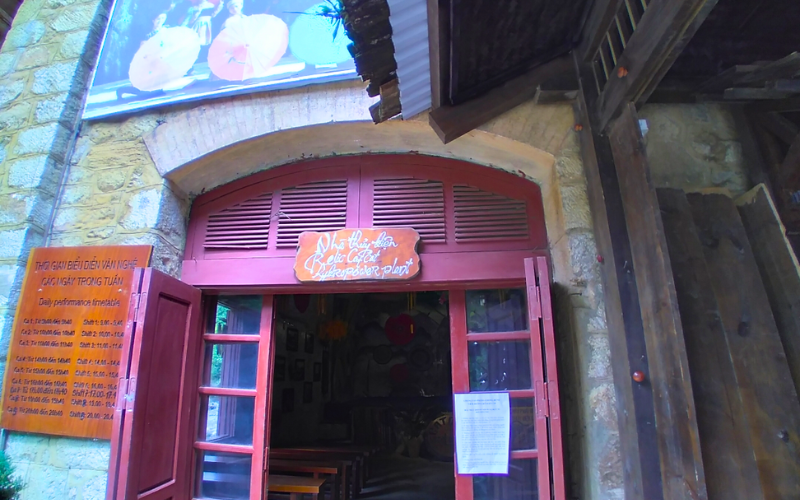
Often overlooked, the Cat Cat Hydroelectric Power Plant is one of the earliest infrastructure projects of the French in the region. Built to supply electricity to colonial establishments, this site represents a lesser-known yet vital aspect of French architecture in Sapa – the integration of engineering and development in remote areas. Today, it stands as a heritage landmark, linking Sapa heritage with its industrial and social transformation.
Preservation efforts to protecting Sapa’s architecture heritage
Preserving Sapa heritage is a growing concern as tourism, modernization, and environmental changes threaten the integrity of these historical sites. Many colonial-era houses in Sapa have been lost to time, poor restoration, or repurposing that disregards original design.
However, recent efforts by local governments, conservationists, and even hospitality groups have sparked a renewed interest in safeguarding this legacy. Restorations now aim to maintain authentic materials, colors, and structures, ensuring that French architecture remains a visible and respectful part of the modern town.
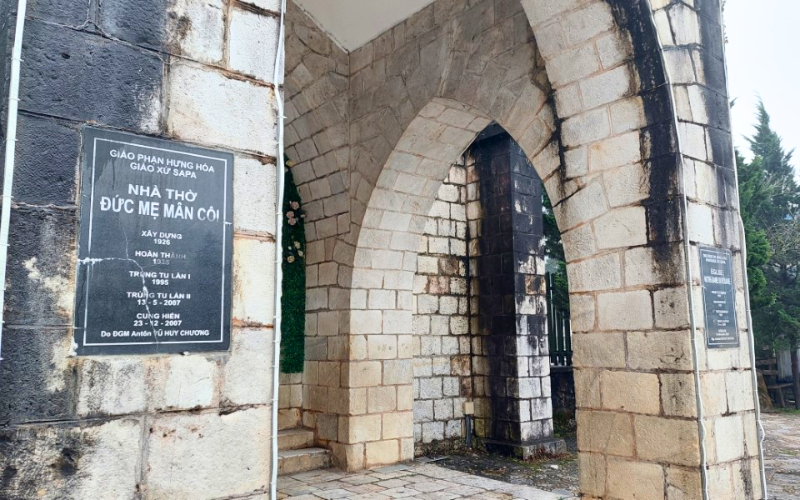
Educational programs and tourism initiatives also highlight heritage architecture in Northern Vietnam, encouraging locals and visitors alike to value these irreplaceable gems.
In an era of rapid urban change, Sapa’s colonial relics offer a rare glimpse into the past – a fragile beauty that deserves to be cherished.
French design meets highland culture in a unique fusion
One of the most fascinating aspects of French architecture in Sapa is its harmonious blend with the indigenous culture of the highlands. Unlike in other regions where colonial design stood in contrast to local life, Sapa’s architecture evolved alongside ethnic Hmong, Dao, and Tay traditions.
This coexistence created a unique architectural dialogue: French structures built with local stone and wood, colonial villas decorated with ethnic textiles, and town planning that respected the spiritual geography of the highlands.
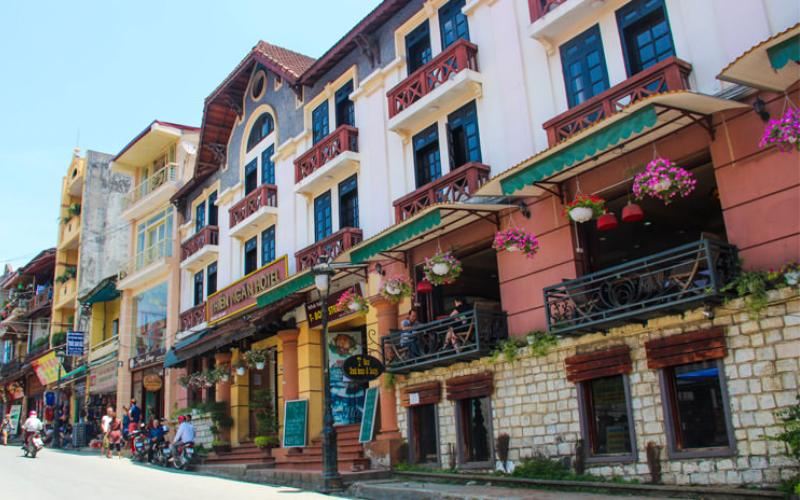
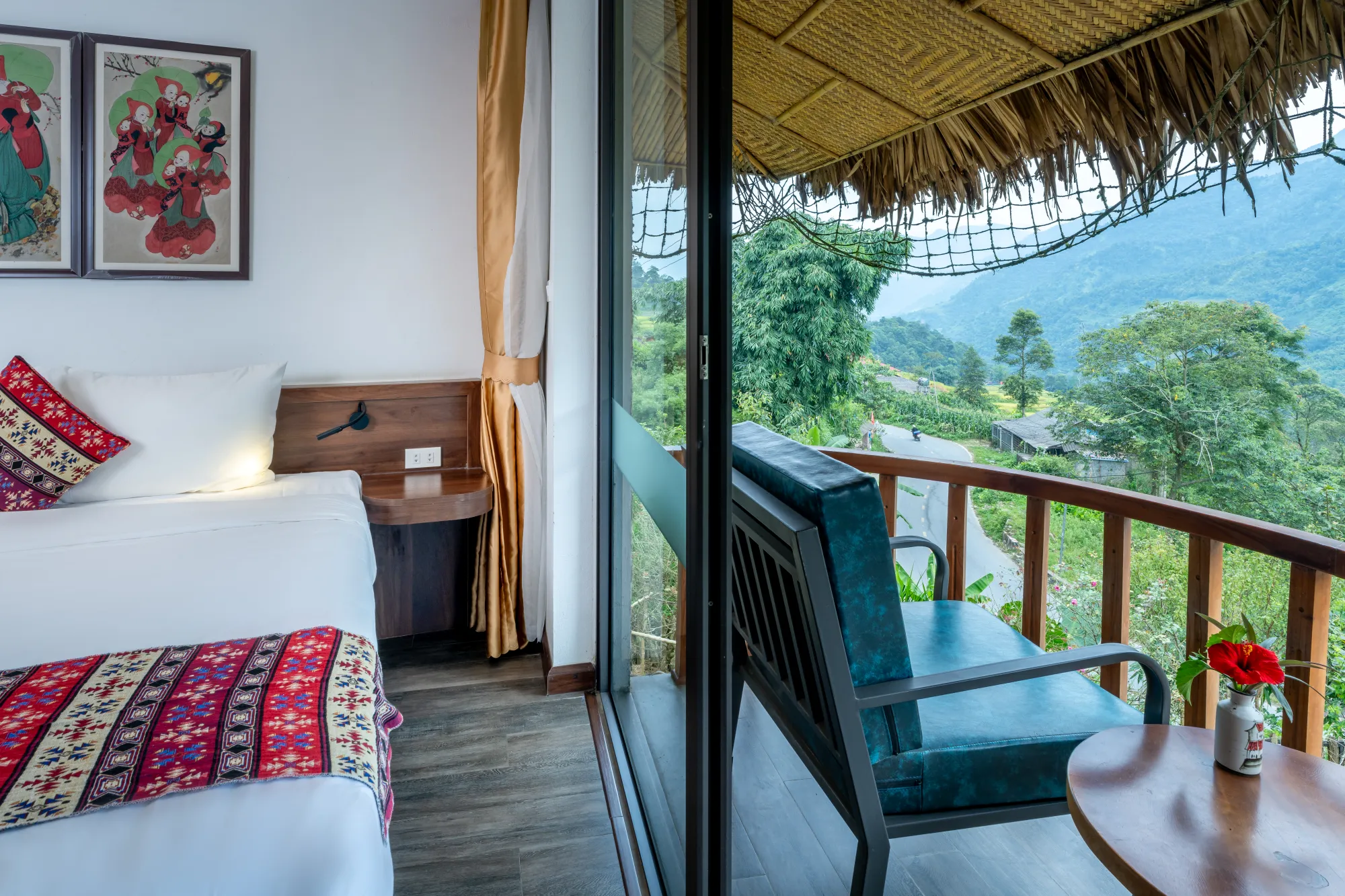
This synthesis is evident in modern boutique hotels and cafes that recreate colonial architecture while celebrating tribal craftsmanship and motifs. It is this fusion of cultures – the influence of French design in Vietnam mixed with highland soul – that sets Sapa apart from any other colonial town.
As tourism grows, many architects and designers are drawing inspiration from this model – creating spaces that honor both the French buildings of the past and the indigenous voices of the mountains.
The enduring allure of French architecture in Sapa
To walk through Sapa is to step into a timeworn painting – a place where stone churches and misty mountains meet, where French architecture coexists with terraced rice fields and vibrant hill-tribe markets. This enchanting mix of old and new, of East and West, creates an atmosphere that is both nostalgic and deeply moving.
The appeal of French colonial buildings in Sapa is not just in their visual elegance but in what they represent: endurance, adaptation, and cultural exchange. They remind us that architecture is more than bricks and mortar – it is memory, identity, and storytelling.
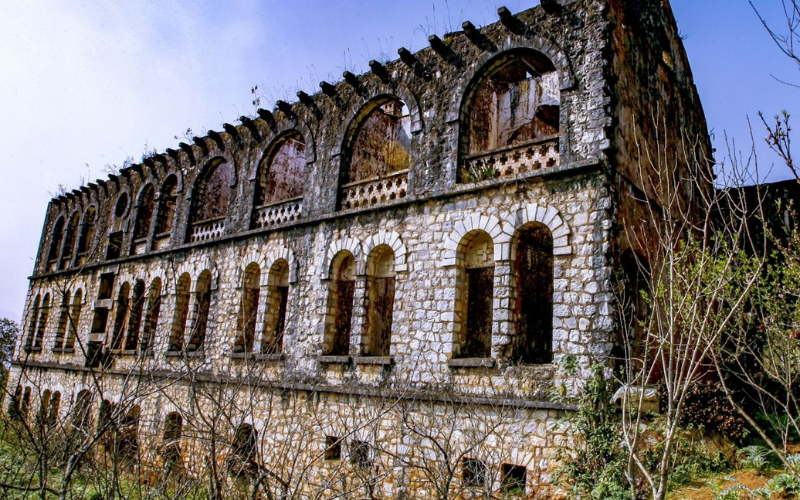
In preserving Sapa heritage, people here preserve not just buildings, but the very soul of the highlands. Whether you’re an architecture enthusiast, a history lover, or a traveler seeking authenticity, the historic architecture of Sapa town offers a quiet, poetic invitation to slow down and look deeper.
From stone to story: The soul of French architecture in Sapa
The legacy of French architecture in Sapa is a chapter of Vietnamese history etched into stone, wood, and earth. It bridges continents, centuries, and cultures – bringing French elegance into dialogue with the heart of the highlands. With thoughtful preservation and renewed appreciation, this legacy can continue to inspire generations to come.
Whether you’re admiring the weathered stones of the old church or sipping coffee in a restored villa, know that you’re not just witnessing beauty –but a living, breathing heritage of a remarkable town.
Related Articles
Sapa history uncovered: From colonial hill station to booming tourist town
Sapa culture with stories of ethnic life and traditions in the Northern highlands